|
|
 发表于 2026-6-5 15:21:24
|
发表于 2026-6-5 15:21:24
|
查看: 278 |
回复: 0
Ritual in Path of Exile 2 isn't just a side activity you click and forget. It's a compact little test of your build, your map choices, and your nerve when the circle starts filling with bodies. The basic loop is easy enough: enter a Waystone, find a Summoning Circle, clear the waves, then spend Tribute at the altar. The trick is knowing when an offer is worth locking in, rerolling, or ignoring. That's where smart farming starts, especially if you're chasing rare PoE 2 Items rather than just grabbing whatever looks shiny at first glance.
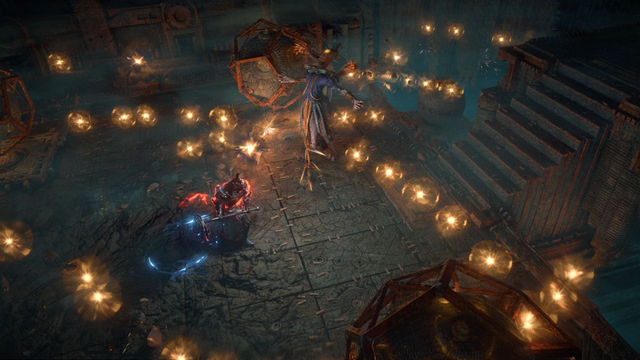
Why Tribute Matters More Than It First Seems
You'll notice pretty quickly that Ritual rewards better planning. More monsters usually means more Tribute, and more Tribute means more control over the altar. Still, it's not always about taking the hardest setup possible. If your build struggles in tight spaces, a juiced Ritual can turn ugly fast. Good clearing, strong recovery, and some way to handle sudden rare monster pressure matter a lot here. Players often focus only on the reward window, but the real profit starts before that, when choosing which Waystones and modifiers are actually safe enough to run again and again.
The Value of Rite of the Nameless
The Rite of the Nameless is the kind of encounter people talk about because it can change a farming session in one altar. Atlas passives such as Hour of the Nameless give the Ritual Altar a small chance to show much rarer unique rewards. That chance is low, sure, but it's meaningful when you're farming Ritual as a long-term plan. Items like Head of the King sit in that exciting space where luck, preparation, and build strength all meet. You don't want to stumble into this rite with poor defences or a half-finished setup. The monsters hit hard, the arena is cramped, and panic movement gets punished.
Omens Give Ritual Its Crafting Edge
Omens are a big reason Ritual feels worth running beyond simple item hunting. They're not just another drop type. They can shape crafting in a very direct way. An Omen of Sinistral Exaltation, for example, makes the next Exalted Orb add only a Prefix. That kind of control is huge when you're working on expensive gear and don't want to brick a promising item. Other Omens, like Catalysing Exaltation or Whirling variants, sit in different parts of the market. Some players use them. Others flip them. Either way, they give Ritual a steady economic role instead of making it depend only on jackpot uniques.
Atlas Choices and Tablets Decide the Pace
The Atlas tree is where Ritual farming starts to feel personal. From Distances Untold can add extra monster modifiers to Summoning Circle rites in Cleansed Areas, and those tougher rites may even drop a Fracturing Orb. That alone makes the node hard to ignore for serious farmers. Bounty of the Fields is another nice pick when you're leaning into Grass Areas, since more pack size usually means better Tribute. Ritual Tablets push this further by adding things like extra magic monsters, rare chests, or stronger unique enemies. The right tablet can make a map feel profitable. The wrong one can make it feel like a trap.
Building a Ritual Farming Routine
A good Ritual routine doesn't need to be fancy. Pick map layouts where you can move, avoid modifiers that hard-counter your build, and don't be afraid to defer costly rewards if the altar gives you something special. Keep an eye on Omens, Fracturing Orbs, and high-demand uniques, but also learn the smaller market wins. Plenty of profit comes from steady trades, not one lucky drop. If you treat Ritual as a repeatable system rather than a gamble, it becomes one of the better ways to build wealth, upgrade gear, and stockpile useful cheap PoE 2 Items while still keeping the gameplay tense and fun.
|
|